
DuckDB and the changing physics of analytics
Possibly even more than other places, evenings at the pub are an integral part of grad school in the UK.
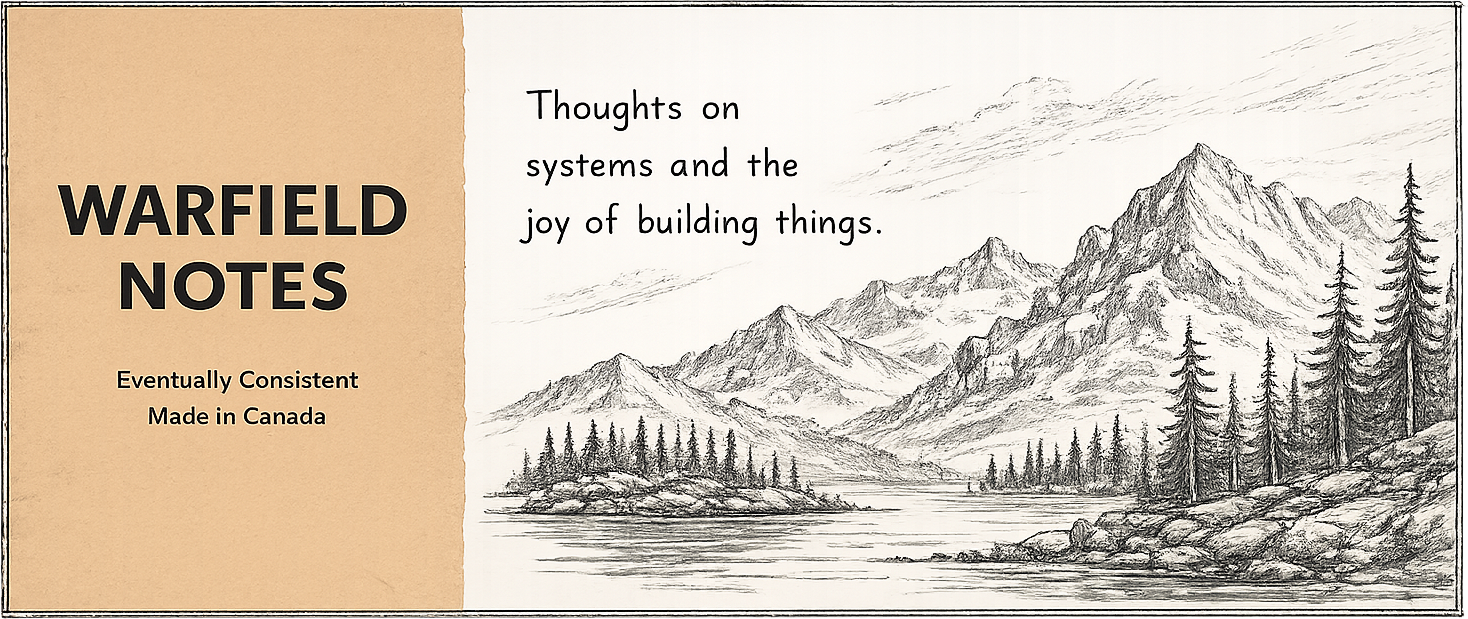
Possibly even more than other places, evenings at the pub are an integral part of grad school in the UK.

Almost everyone at some point in their career has dealt with the deeply frustrating process of moving large amounts of data from one place to another, and if you haven't, you probably just haven't worked with large enough datasets yet.

I am reasonably scared of public speaking. It used to be a lot worse -- I used to be terrified of it.
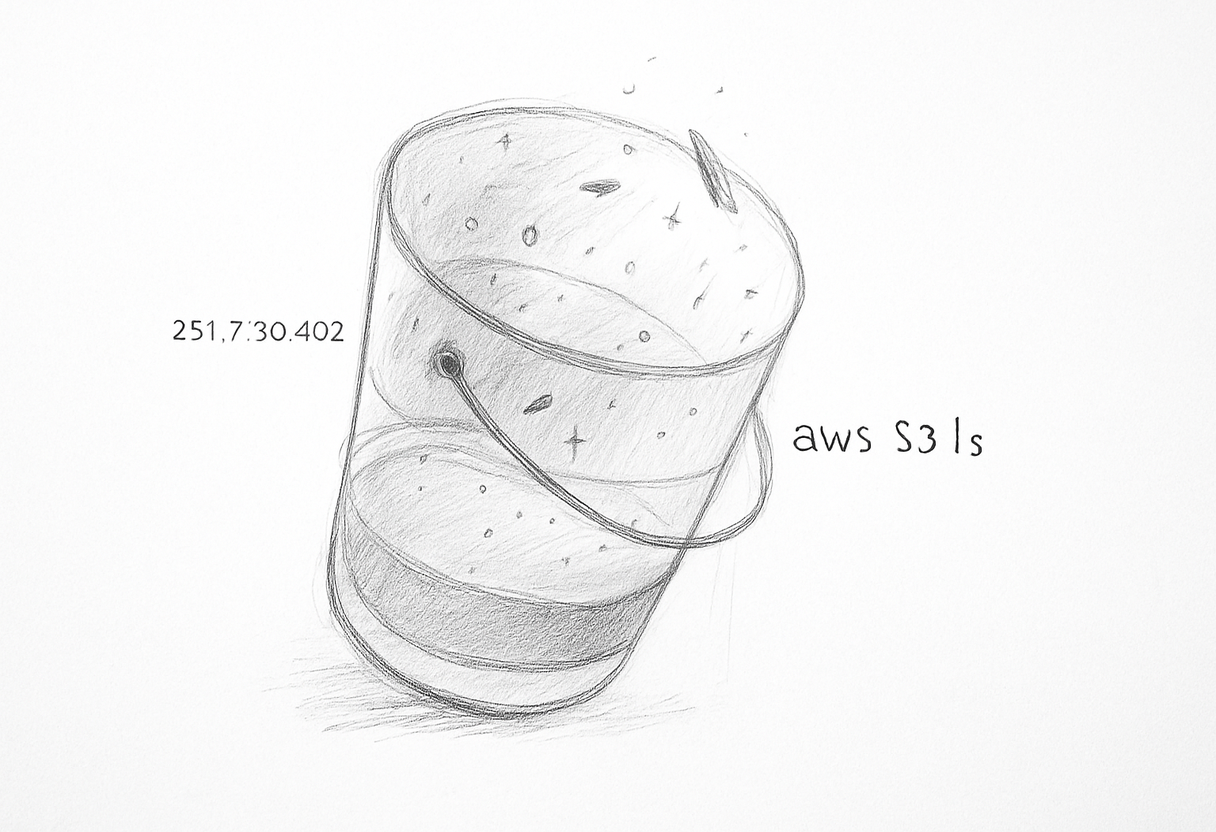
On March 14, 2006, NASA's Mars Reconnaissance Orbiter successfully entered Martian orbit after a seven-month journey from Earth, the Linux kernel 2.6.16 was released, I was getting ready for a job interview, and S3 launched as the first public AWS service.
I've worked in computer systems software -- operating systems, virtualization, storage, networks, and security -- for my entire career, and the last six years working with Amazon Simple Storage Service (S3) have forced me to think about systems in broader terms than I ever have before.
Every few years, I have the opportunity to teach UBC's graduate-level Advanced Operating Systems course. As this is the last time that I'll be teaching this course for the foreseeable future, I thought I'd put a sketch of this first lecture into a blog post.